
MORE than 6000 kilometres of regional water supply mains in areas across New South Wales – including the Moree Plains – will be tested in round two of the Active Leak Detection Project.
The $3 million project targets long-term water security for rural and regional towns and cities and forms part of the Water Efficiency and Regional Leakage Reduction Program.
The program has already achieved impressive results. Between 2022 and 2024, 7500 megalitres per year in water was saved in more than 60 regional locations.
Round two aims to save up to 4000 megalitres per year, or enough to meet the annual water needs of around 20,000 NSW regional households.
Crews will survey about 6000 kilometres of regional water supply mains across more than 40 high priority areas that are severely impacted during dry months, including Moree Plains, Warrumbungle Shire, Warren, Forbes, Cobar, Dubbo and Lithgow Shires.
More locations will be locked in over the coming weeks.
The active leak detection project uses cutting-edge equipment including noise loggers, electronic listening sticks, ground microphones and leak noise correlators to detect leaks within local water networks that will then be repaired by local councils.
The next stage of the program will also focus on identifying leaks in residential properties, with homeowners to be notified if issues are found.
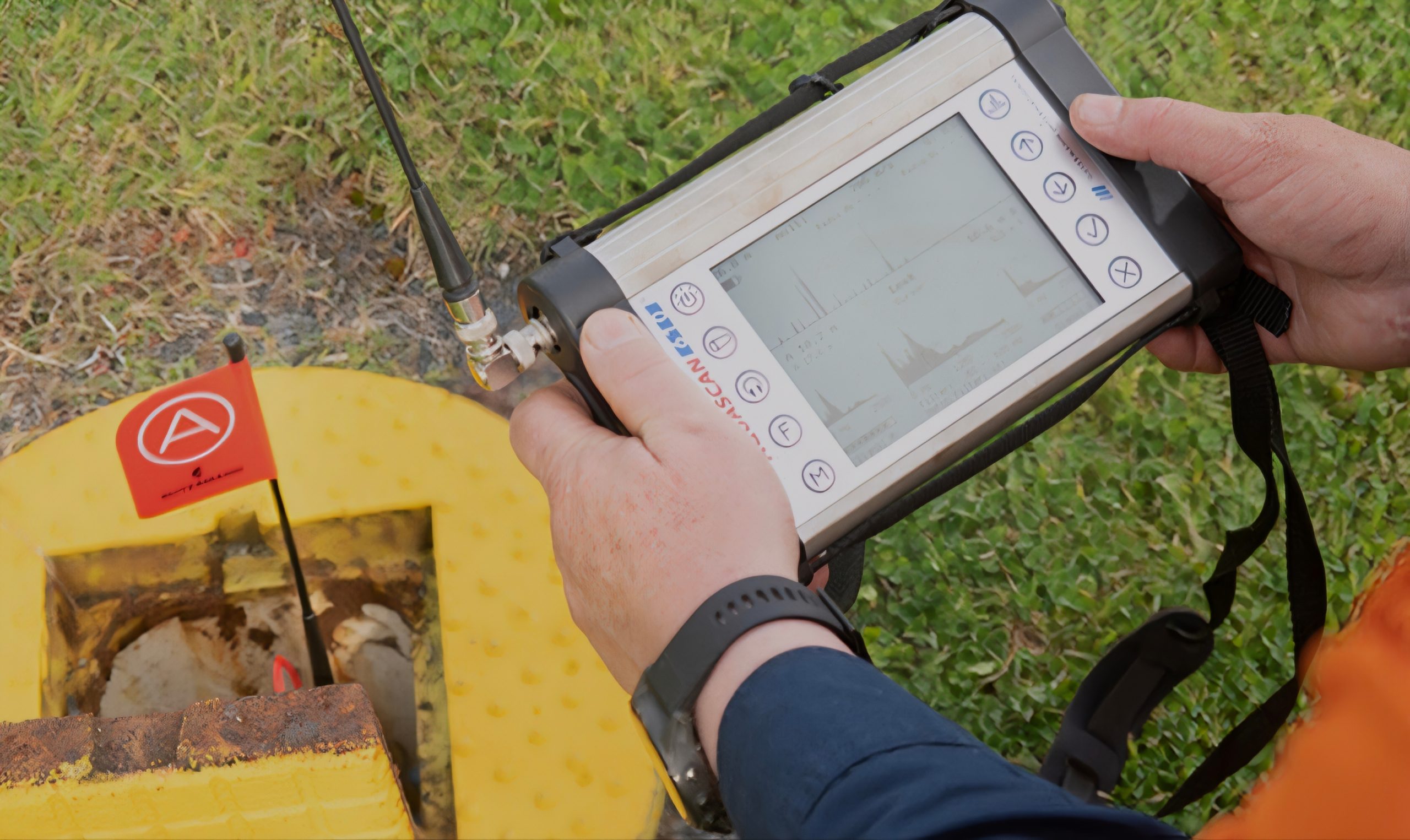
Crews will use cutting-edge equipment to detect leaks within local water networks.
Work commenced in January and will be rolled out until June next year.
The $35.3 million Water Efficiency and Regional Leakage Reduction Program aims to create a more sustainable and resilient water future for country towns and cities across New South Wales.
NSW Minister for Water Rose Jackson said the leak detection program has been “smashing it out of the park” by recovering a massive 7500 megalitres of water in regional NSW per year since 2022 that would have otherwise gone to waste.
“That’s why I am absolutely thrilled to announce that we are rolling the program out to even more locations across the state over the next two years,” Ms Jackson said.
“While water levels are currently stable, the next drought could be just around the corner, so projects like this one are a simple solution to make the most of the water we already have by identifying and fixing leaks across local networks.
“You’d be amazed at how much town water gets lost every year because of cracks or holes in pipelines, which is why using high-tech equipment to pinpoint these leaks is one of the most effective ways to safeguard our long-term water supply.”
For more information, visit Regional Leakage Reduction Program
Media Release

